
Hol dir dein kostenloses PDF
Alles, was du nie über Stärke, Schnitte, Klang und Haltbarkeit erfahren hast!
Wenn du Saxophon oder Klarinette spielst, kennst du das Ritual. Du öffnest eine brandneue Schachtel, zerreißt das Zellophan mit einer Mischung aus Hoffnung und Angst, ziehst das kleine Stück Holz heraus und setzt es auf dein Mundstück, während du zu den Göttern der Musik betest. Manchmal geschieht ein Wunder: Der Ton fließt, die Höhen sind süß, die Tiefen sind tief und du fühlst dich, als würdest du fliegen. Aber manchmal... manchmal ist es, als würde man versuchen, durch ein Bügelbrett zu blasen, oder schlimmer noch, es klingt wie eine kranke Ente.
Es ist die komplexeste, frustrierendste und lohnendste Beziehung im Leben eines Holzbläsers.
Wir geben oft ein Vermögen für Vintage-Mundstücke, vergoldete Ligaturen und Hälse aus exotischen Materialien aus und vergessen dabei, dass der wahre Klangerzeuger, der eigentliche Motor unserer Stimme, ein pflanzlicher Streifen ist, der nur ein paar Euro kostet. Ohne das Rohrblatt ist dein Instrument nichts weiter als eine träge Skulptur aus Metall oder Holz.
Wir bei Odisei Music und in der Musikszene insgesamt wissen, dass das Thema Rohrblätter von Mythen, Fehlinformationen und einer Menge Aberglauben umgeben ist. Deshalb haben wir diesen umfangreichen Leitfaden erstellt. Nicht nur, um zu erklären, was die Zahlen bedeuten, sondern auch, um dir zu helfen, die Physik hinter deinem Sound zu verstehen, damit du kein Geld mehr für Boxen ausgibst, die für dich nicht funktionieren.
Egal, ob du als Klarinettist auf der Suche nach dem perfekten dunklen Orchestersound bist oder als Tenorsaxophonist in einer Rockband mitbrüllen willst, hier findest du alles, was du wissen musst.
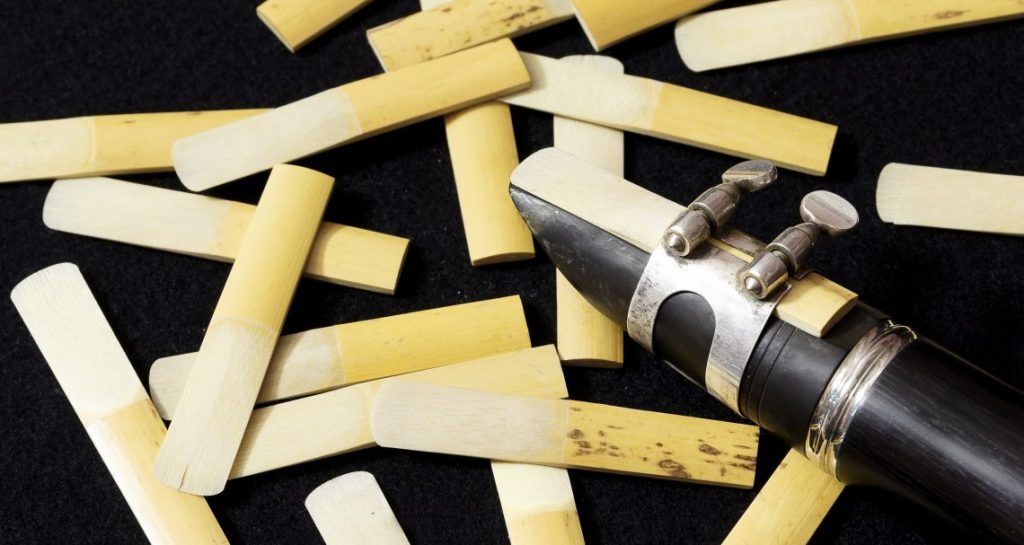
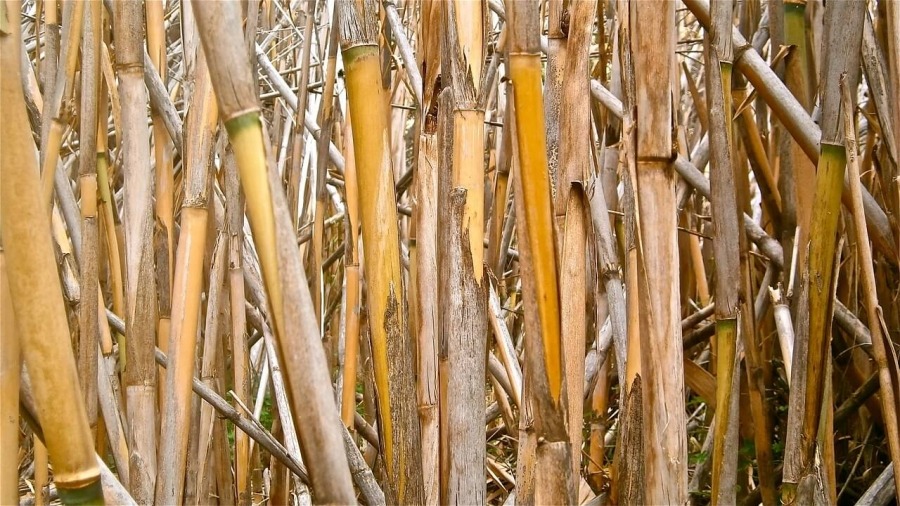
Bevor wir über Zahlen und Schnitte sprechen, lass uns über Botanik reden. Die überwiegende Mehrheit der “traditionellen” Schilfrohre wird hergestellt aus Arundo donax, Ein riesiges Schilfrohr, das in mediterranen Klimazonen wild wächst. Obwohl es in Ländern wie Argentinien und Spanien angebaut wird, ist das “Mekka” des Schilfs die Region Var in Südfrankreich.
Warum ist das wichtig? Weil es wichtig ist, um deine Frustration zu verstehen. Schilfrohr ist ein organisches, lebendiges Material. Es ist kein Plastik, das in einer sterilen Fabrik geformt wurde. Jedes Schilfrohr stammt von einer Pflanze, die Wind, Sonne, Regen und Erde unterschiedlich ausgesetzt war. Selbst innerhalb desselben Rohrs ist die Faser an der Basis dichter als an der Spitze.
Wenn du eine Schachtel mit 10 Schilfrohren kaufst, kaufst du damit 10 einzigartige Stücke der Natur. Es ist physikalisch unmöglich, dass sie alle identisch sind. Diese natürliche Unvollkommenheit zu akzeptieren ist der erste Schritt, um weniger zu leiden und intelligenter mit deinen Werkzeugen umzugehen.
2. Stärke: den Mythos zerstören
Betreten wir das umstrittenste Gebiet: die Zahlen. 1,5, 2, 3, 4, 5... An Konservatorien und Musikschulen herrscht der Irrglaube vor, dass die Blattstärke mit Männlichkeit oder musikalischer Qualität gleichzusetzen ist. “Du bist immer noch bei einer 2,5? Ich bin schon bei einer 4.” Wenn du das gehört hast, ignoriere es. Es ist Unsinn.
Viele Menschen glauben fälschlicherweise, dass sich die Zahl auf die Dicke des Holzes bezieht. Das ist falsch. Ein 1,5er-Blatt hat genau dieselben Außenmaße wie ein 5er-Blatt. Der Unterschied liegt in der Faserdichte und der Schwingungsfestigkeit. Ein Rohrblatt mit einer niedrigeren Nummer ist weniger dicht und flexibler, ein Rohrblatt mit einer höheren Nummer ist dichter und steifer.
GYM-Analogie
Stell dir vor, du spielst Saxophon oder Klarinette, als würdest du ins Fitnessstudio gehen. Das Rohrblatt ist das Gewicht, das du hebst. An deinem ersten Tag im Fitnessstudio versuchst du nicht, 100 Kilo zu stemmen. Wenn du das tust, wirst du dich verletzen, eine schlechte Form annehmen und die Übung nicht schaffen. Genauso ist es mit deinem Instrument. Dein Ansatz (die Muskeln um deinen Mund herum) muss trainiert werden.
- Anfänger (1,5 - 2,0): Du brauchst ein Rohrblatt, das schon beim kleinsten Atemzug schwingt. So kannst du dich auf die Platzierung der Finger konzentrieren und lernen zu atmen, ohne gegen das Instrument anzukämpfen.
- Evolution: Während du spielst (Monate, Jahre), werden deine Gesichtsmuskeln stärker. Plötzlich fängt das 1,5er-Blatt an, schrill zu klingen, schließt sich, wenn du laut spielst (der Ton bricht ab), und die Intonation wird instabil. Herzlichen Glückwunsch, du bist aus dieser Stimmzunge herausgewachsen. Es ist Zeit, auf eine 2,5er zu wechseln.
- Professionell (2,5 - 3,5+): Das ist der Punkt, an dem sich die meisten Profis zufrieden geben. Das Ziel ist NICHT, eine 5 zu erreichen. Eine 5 zu spielen ist, als würde man versuchen, ein Brett zum Schwingen zu bringen. Die meisten großen Jazz-Saxophonisten spielen mittlere Stärken (2,5 oder 3), weil sie Flexibilität und nicht Steifheit suchen.
Woran erkennst du, dass dein Rohrblatt falsch ist?
- Zu weich: Der Klang ist sehr hell und nasal (entenartig), hohe Töne werden flach und wenn du stark bläst, klebt das Rohrblatt am Mundstück und der Klang hört auf.
- Zu schwer: Du hörst viel Luft (Fuzz), du bist nach fünf Minuten erschöpft, du beißt dir auf die Unterlippe, um das zu kompensieren, der Klang ist dumpf und Pianissimo spielen ist unmöglich.
3. Anatomie des Schnitts: eingereicht und nicht eingereicht
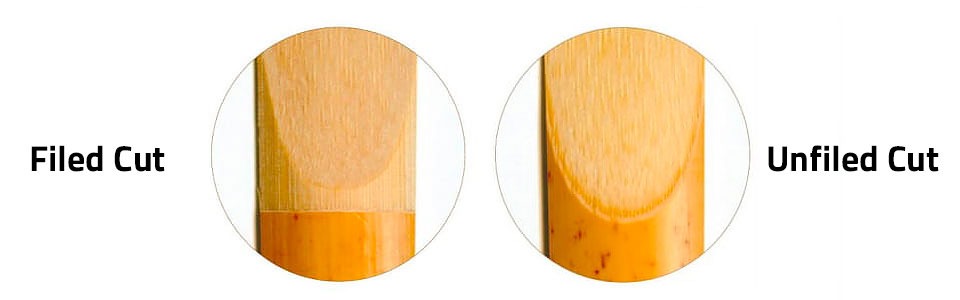
Wenn du schon einmal vor einem Ladenregal gestanden und auf eine Schachtel D'Addario Select Jazz “Filed” und eine andere “Unfiled” gestarrt hast, ist dieser Abschnitt für dich. Der Unterschied ist visuell offensichtlich, aber akustisch sehr subtil.
Unabgeheftet (amerikanischer Schnitt)
Wenn du dir das Blatt ansiehst, siehst du, dass die Rinde (der glänzende, dunkle Teil) eine “U”-Form bildet, die nahtlos in den abgeschabten Bereich übergeht. Wenn du mehr Rinde an der Basis belässt, bleibt das Blatt im Schaft (dem Teil, der von der Ligatur gehalten wird) steifer. Es bietet mehr Widerstand, etwas Festes, gegen das es drücken kann. Dadurch entsteht oft ein dunklerer, robusterer Klang mit viel Kern. Sie ist bei Spielern beliebt, die einen kraftvollen, traditionellen amerikanischen Jazz-Ton suchen, oder bei Orchestermusikern, die einen dichten Klang wünschen.
Gefüllt (französisch geschnitten)
Wenn du das Blatt gegen das Licht hältst, siehst du eine saubere, gerade, horizontale Linie, wo die Rinde endet, als ob sie abgeschliffen worden wäre. Durch das Entfernen dieses Streifens wird die Spannung in den äußeren Fasern gelöst, wodurch das Rohrblatt freier wird und schneller reagiert. Da weniger Material die Schwingungen aufhält, spricht das Blatt sofort an. Der Klang ist oft etwas heller, mit mehr oberen Obertönen und einem leichteren “Schnarren”. Dies wird von vielen klassischen Klarinettisten (wegen der Klarheit) und Pop/Funk-Saxophonisten, die Geschwindigkeit brauchen, bevorzugt. fühlen (was du in deinem Mund spürst) als das, was das Publikum hört. Wenn sich dein Rohrblatt dumpf oder langsam anfühlt, versuche es mit einem gefeilten Schnitt. Wenn sich dein Ton zu dünn anfühlt, versuche es mit einem ungefeilten Schnitt.
4. Klassische Profile vs. Jazzprofile
Neben dem Feilen ist es vor allem das geometrische Profil, also das Verhältnis zwischen der Dicke des Blattes und der Länge des Blattes, das den Charakter des Blattes ausmacht. Herz, die Tipp, und die Schienen.
Klassisches Design (Vandoren V12, D'Addario Reserve)
Klassische Spieler suchen nach Reinheit: ein Klang, der sich vermischt, über alle Register hinweg gleichmäßig bleibt und eine äußerst präzise Artikulation ermöglicht. Diese Rohrblätter haben in der Regel ein dickes Herz und eine relativ dicke Spitze. Das dicke Herz sorgt für Dunkelheit und Stabilität; die dickere Spitze erfordert eine feste, präzise Artikulation. Das Biegen von Noten ist schwierig, aber die Intonation ist tadellos.
Jazz / modernes Design (Vandoren Java/ZZ, D'Addario Select Jazz, Rico Royal)
Jazz- und Rockspieler brauchen Projektion und Farbe. Sie wollen, dass der Klang ein wenig bricht, dass er körnig oder hell ist und durch Schlagzeug und E-Gitarre schneidet. Diese Blätter haben oft ein dünneres Herz oder eine steilere Neigung zu einer dünneren Spitze. Die dünne Spitze schwingt wild und erzeugt helle Obertöne. Das Rohrblatt ist flexibler und ermöglicht ein breites Vibrato, Untertöne und Effekte.
Kann ich ein klassisches Rohrblatt für Jazz verwenden? Auf jeden Fall. Es gibt keine Rohrblattpolizei. David Sanborn, einer der einflussreichsten Pop/Funk-Saxophonisten aller Zeiten, benutzte jahrelang Vandoren V12 (klassische) Blätter, weil er ihren perkussiven Anschlag liebte. Viele moderne Klarinettisten verwenden Jazz-Blättchen für einen wärmeren, flexibleren Klang. Experimentieren.
5. Das Drama um Haltbarkeit und Wartung
Schilf kostet Geld, und es tut weh, wenn eines nach drei Tagen stirbt. Wie lange also sollte Wie lange hält ein Rohrblatt? Die ehrliche Antwort: Wenn du täglich und intensiv spielst, hat ein lebendes Holzblatt eine optimale Lebensdauer von 2 bis 4 Wochen. Danach ermüden die Fasern, verlieren an Elastizität und der Klang wird dumpf.
Aber du kannst ihre Lebensdauer verlängern (und Geld sparen):
Rotation
Der größte Anfängerfehler ist, ein gutes Blatt zu finden und es zu spielen, bis es stirbt. Speichel enthält Enzyme, die das Holz zersetzen, und die Blätter müssen zwischen den Sitzungen vollständig trocknen. Mach stattdessen Folgendes: Kaufe eine nummerierte Blatttasche. Bewahre vier aktive Blättchen auf. Montag: Blatt 1. Dienstag: Blatt 2, und so weiter. Jede Stimmzunge hält länger, und du gewöhnst dich an kleine Abweichungen.
Verziehen
Du hast es gesehen: Die Spitze wird wellig wie ein Kartoffelchip. Das passiert, wenn das Rohrblatt ungleichmäßig trocknet. Lass ein Rohrblatt nie auf dem Mundstück liegen. Trockne es nach dem Spielen vorsichtig ab und lagere es flach in einem Etui. Verwende Systeme zur Feuchtigkeitsregulierung (wie Boveda-Packungen oder Reed Vitalizer). Blättchen bei etwa 72% Feuchtigkeit verhindert das Verziehen und sorgt dafür, dass sie immer spielbereit sind, ohne dass sie fünf Minuten eingeweicht werden müssen.
6. Die synthetische Revolution: Ketzerei oder die Zukunft?
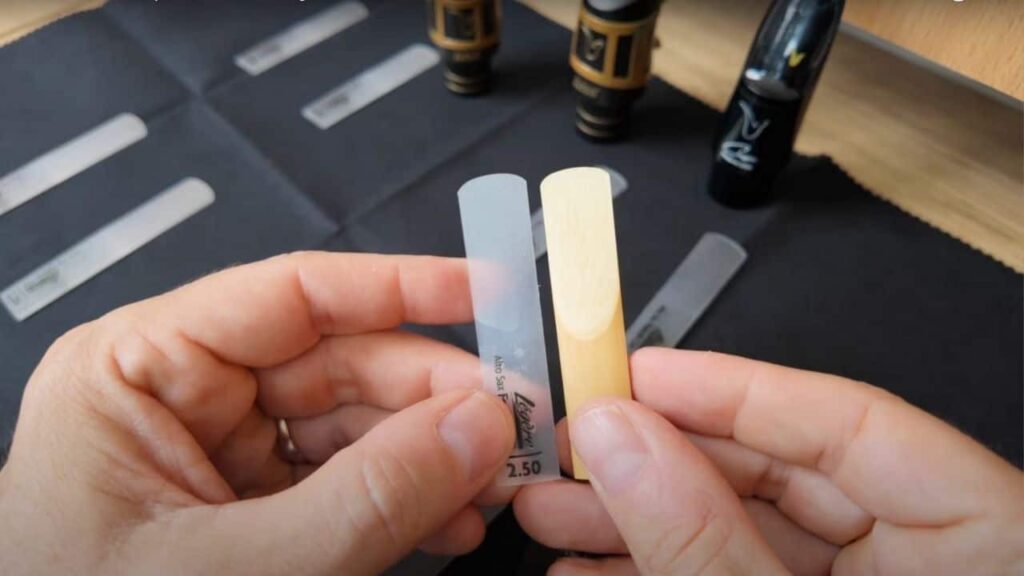
Nun zum heißesten Thema des letzten Jahrzehnts: synthetische Rohrblätter. Vor fünfzehn Jahren waren Rohrblätter aus Kunststoff ein Witz, sie klangen wie billiges Spielzeug. Aber die Technologie der Verbundwerkstoffe (Polymere für die Luft- und Raumfahrt, Kohlefaser usw.) hat sich rasant weiterentwickelt. Marken wie Légère, Venn (D'Addario), Fiberreed und Silverstein bieten jetzt Produkte an, die es mit Holz ernsthaft aufnehmen können.
Die unbestreitbaren Vorteile
- Totale Konsequenz: Jede Stimmzunge ist identisch. Es sind keine “schlechten Blätter” in der Box.
- Fast unsterblich: Ein synthetisches Schilfrohr kann 4-6 Monate bei intensiver Nutzung ausreichen. Rechne mal nach: Ein 30-Euro-Kunststoffblatt entspricht 4-5 Kisten Rohrblätter. Langfristig ist es billiger.
- Hygiene und Bequemlichkeit: Sie nehmen keinen Speichel auf, können mit Wasser und Seife gewaschen werden und müssen nicht eingeweicht werden. Wenn du das Instrument in die Hand nimmst, ist es sofort spielbereit und eignet sich perfekt als Double für Orchester.
Der Nachteil? Für extreme Puristen fehlt ihnen immer noch ein kleiner Prozentsatz an Wärme. Holz hat eine chaotische harmonische Komplexität, die sich nur schwer 100% nachbilden lässt. Manche Spieler finden, dass Synthetik etwas “flach” oder einfarbig klingt und sich auf den Lippen anders anfühlt (rutschiger). Trotzdem ist es heute bei Aufnahmen oder verstärkten Konzerten fast unmöglich, ein gutes synthetisches Rohrblatt von einem Rohrblatt zu unterscheiden.
7. Überlebenstipps und DIY-Anpassung
Zum Schluss noch eine Werkstattweisheit. Was ist, wenn ein Blatt zu hart ist und du keinen Ersatz hast? Oder zu weich? Rohrblätter können angepasst werden.
- Zu schwer: Schleife die flache Seite des Blattes mit sehr feinem Schleifpapier (600er Körnung oder höher) auf Glas leicht an. Dadurch wird die Gesamtdicke reduziert. Du kannst auch die Schultern leicht anschleifen, um Vibrationen zu vermeiden.
- Zu weich: Verwende einen Rohrblattschneider. Wenn du einen Bruchteil eines Millimeters von der Spitze abschneidest, wird das Blatt härter und erhält seine Lebensdauer zurück. Sei vorsichtig, denn dadurch verändert sich das Profil der Spitze.
Letztendlich gibt es das perfekte Rohrblatt nicht. Was es gibt, ist das perfekte Rohrblatt für dich, zu diesem Zeitpunkt in deinem Leben. Dein Mundstück, deine Ligatur, deine Mundanatomie und dein Klangkonzept sind einzigartig. Nur weil dein Idol ein Vandoren Traditional 4 spielt, heißt das nicht, dass du das auch tun solltest.
Wir wissen, dass die Welt der Rohrblätter verwirrend sein kann, deshalb haben wir eine exklusive Ressource für dich vorbereitet.
Entdecke die Geheimnisse hinter Saxophon- und Klarinettenblättern mit unserem Anleitung zur Schilfoptimierung! Von der Erklärung, warum manche Stimmzungen fantastisch klingen, während andere versagen, über die Wissenschaft der Vibration und die richtige Wahl der Stärke bis hin zu DIY-Anpassungen - mit diesem Leitfaden hast du die volle Kontrolle über deinen Sound. Du erfährst, wie du neue Stimmzungen einarbeitest, sie für eine maximale Lebensdauer drehst, Probleme mit dem Pop-Test diagnostizierst und sogar Stimmzungen rettest, die “tot” scheinen. Egal, ob du Jazz, Klassik oder Rock spielst, wenn du diese Techniken beherrschst, sparst du Geld, verbesserst die Konsistenz und hast viel mehr Spaß beim Spielen.