



Get your free PDF
Masters of tone, technique, and expression
The clarinet is an instrument of paradoxes. It is capable of the most buffoonish comedy and the deepest tragedy; from an almost inaudible whisper (niente) to the piercing scream of jazz. But that cylinder of grenadilla wood, with its silver keys and vibrating reed, is just an inert object until an artist breathes life into it.
We are living in what music historians will likely call the “Second Golden Age” of the clarinet. Never before have we had access to such stylistic diversity coexisting at the same time. Globalization has allowed the rigid boundaries of traditional schools, the dark, compact German sound, the brilliance and agility of the French, the powerful projection of the Americans, to blur, intersect, and create fascinating hybrids.
This article is not a mere list; it is a journey through ten personalities who have dedicated their lives to mastering the wind. These are the ten clarinetists who, today, define what it means to play this instrument. Join us as we explore their stories, their teaching, and, above all, those recordings that can alter the chemistry of your brain.
Reading about music is just the beginning. That’s why we’ve prepared a downloadable resource with inspiring content from the masters, designed to enrich your artistic vision and motivate your daily practice.
1. Martin Fröst: the illusionist who broke the mold
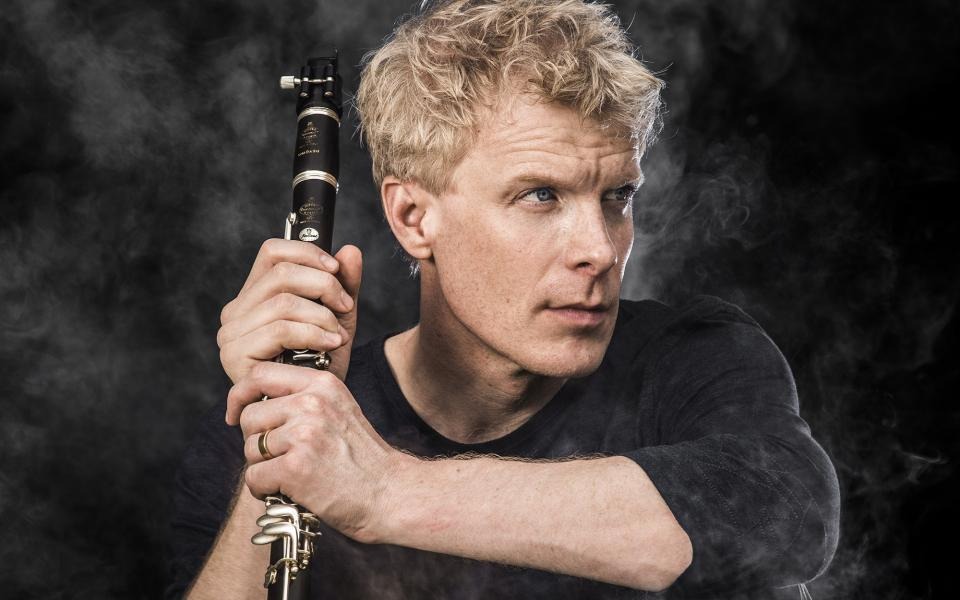
To understand Martin Fröst, you must first forget the traditional image of the classical soloist: that static figure, dressed in tailcoat, rooted to the ground beside the conductor. This Swede has decided that the clarinet is not just a sound-producing instrument but an extension of the body. Fröst is, without a doubt, the most media-savvy and revolutionary figure in clarinet playing in the 21st century.
Born in Sweden, Fröst plays on the Boehm (French) system, but his sound resembles no one else’s. It seems to come from Nordic ice: pristine, transparent, with a purity so absolute that sometimes you wonder if you are listening to a wind instrument or an organic synthesizer. His technique has redefined what is possible; he can execute staccato passages at speeds that defy physical logic while maintaining absolute clarity. But his greatest contribution has been theatricality. In projects like Dollhouse and Genesis, Fröst dances, acts, and conducts while playing, reviving the figure of the musician as a shaman guiding the tribe through a ritual.
Although his schedule as an international soloist and Music Director of the Swedish Chamber Orchestra prevents him from holding a fixed teaching position, his pedagogical influence is massive through global masterclasses and his collaboration with Buffet Crampon in instrument design. Listening to him is peering into the future of the instrument.
2. Sabine Meyer: the iron-and-velvet lady
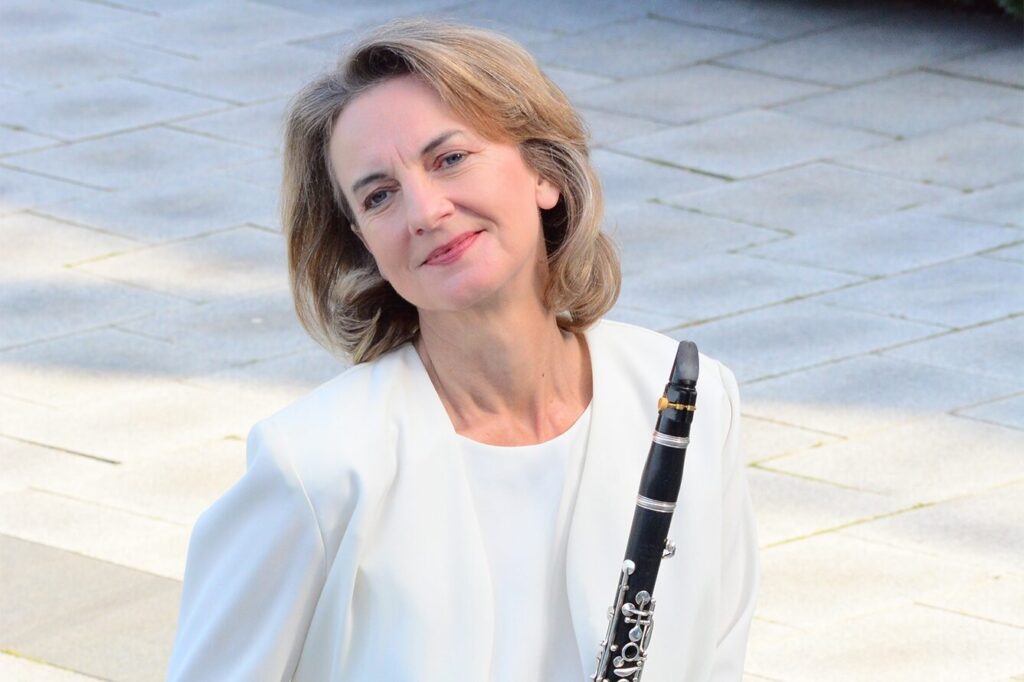
Sabine Meyer’s story is one of moral and artistic triumph. In the early 1980s, she became the center of one of classical music’s greatest controversies when the legendary conductor Herbert von Karajan tried to appoint her as the first woman in the wind section of the Berlin Philharmonic. The orchestra rebelled, and after a brief period, Meyer left. What could have destroyed anyone’s career became her fuel. Today, Sabine Meyer is an institution in herself, a soloist whose career has eclipsed the orchestra that once rejected her.
Meyer is the great guardian and innovator of the German School. She plays on the Oehler system, a more complex mechanism than the French system, with additional keys and alternative fingerings to achieve a specific sound: dense, dark, centered, and rich in lower harmonics. Listening to Meyer is like hearing the tradition of Brahms and Mozart distilled. Her phrasing is always elegant, logical, and deeply aristocratic. She does not chase easy effects or empty speed; every note carries weight and purpose.
She now passes on this legacy as a professor at the Musikhochschule Lübeck (Germany), teaching a highly selective group of students who aspire to master the complex German system.
4. Andreas Ottensamer: the viennese aristocrat of the 21st century
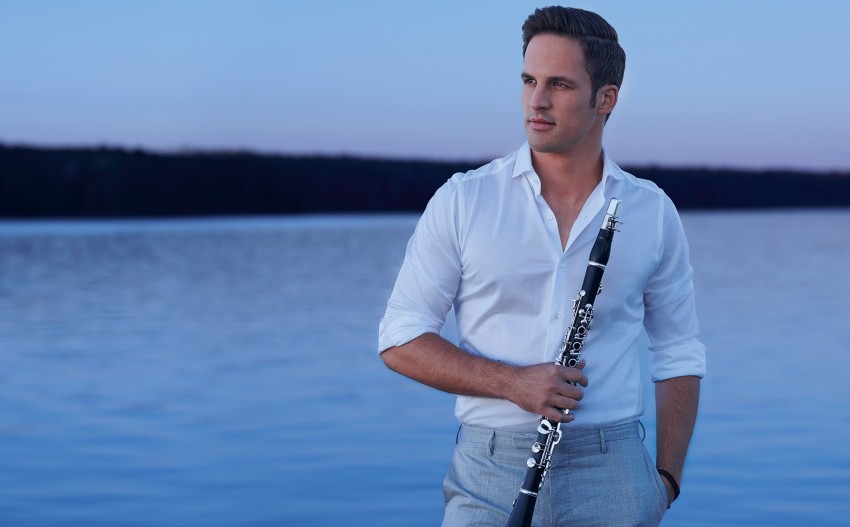
In the clarinet world, the Ottensamer name is royalty. Both his father and brother held principal chairs in the Vienna Philharmonic. Andreas, the youngest of the dynasty, inherited not only talent but packaged it with a movie-star charisma that has helped popularize the instrument among young audiences.Andreas currently holds the Principal Clarinet chair of the Berlin Philharmonic. His style is a fascinating hybrid. Though he uses the German system and the Viennese clarinet (with a slightly wider bore), his playing has a cantabile quality reminiscent of the Italian school. His sound is velvety, dark as chocolate, yet flexible enough to take expressive risks that other orchestra musicians would not dare. Ottensamer has achieved the rare feat of being a disciplined orchestral musician and, at the same time, a Deutsche Grammophon soloist with mass market appeal.
When not touring or recording, he teaches in Berlin and offers masterclasses worldwide, serving as a reference for those seeking a noble Viennese sound with a modern mindset.
5. Nicolas Baldeyrou: the wizard of french technique
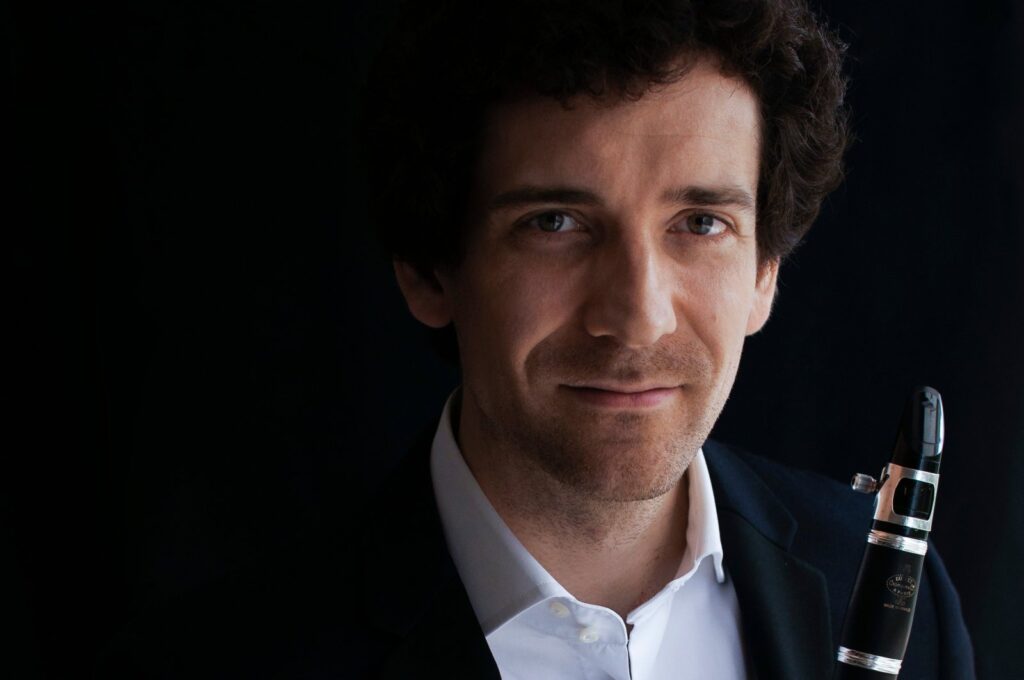
For many clarinet students today, Nicolas Baldeyrou is “the YouTube guy.” It’s true that his homemade recordings, where he multiplies himself to play impossible arrangements, have gone viral. But reducing Baldeyrou to an internet phenomenon would be a grave mistake. He is one of the most technically gifted clarinetists in history.
Baldeyrou embodies the quintessence of the French School: brilliance, clarity, elegance, and articulation (tonguing to separate notes) at near-lightning speed. His sound is lighter and more flexible than his German colleagues, with a carefully shaped vibrato to color long notes. What makes him unique is the apparent ease with which he dispatches the most daunting difficulties; while others struggle, he seems simply to be breathing.
This technical mastery is based in Lyon, France, where he teaches at the Conservatoire National Supérieur de Musique et de Danse de Lyon (CNSMD) and serves as soloist of the Radio France Philharmonic. It is the dream destination for any student aiming to master finger and tongue technique to its limits.
6. Sharon Kam: the voice of the soul
Some musicians play notes; others tell heartbreaking stories. Sharon Kam belongs to the second category. Born in Israel and trained at Juilliard, she rose to international fame after winning the prestigious ARD Munich Competition at 21. Since then, she has carved a unique career, based mainly in Germany.
Kam’s style is defined by overflowing emotion. She is not afraid to push the instrument to its dynamic limits or force the sound if dramatic expression requires it. She possesses a warm, round, and very human tone. Unlike the cold perfection of other performers, Kam seeks a visceral connection with the listener. Her generous vibrato and coloristic mastery allow her to approach the Romantic and operatic repertoire with unusual depth.
Residing in Hannover, she focuses on concert and chamber music projects with top collaborators, avoiding routine orchestral work to pursue personal artistic ventures.
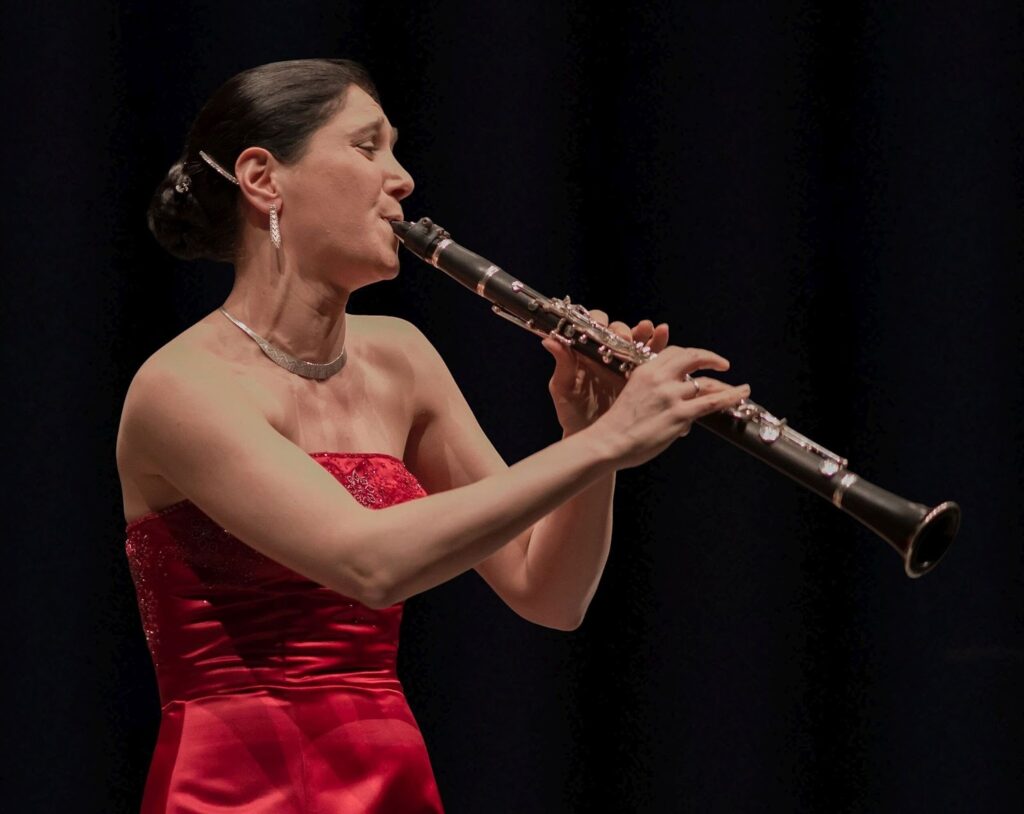
7. Anthony McGill: dignity, leadership, and justice
Anthony McGill holds a special place in the history of American classical music, not only as the first African-American principal in the New York Philharmonic but also for his immense artistic and human quality. His performance at President Obama’s inauguration alongside Itzhak Perlman and Yo-Yo Ma catapulted him to global fame, but his artistry stands on its own.
McGill has a sound best described as “noble.” Centered, extremely polished, and balanced across registers. His style embodies sophistication in music; you will never hear poor phrasing or a misplaced note. He represents the excellence of the American school filtered through an exquisite sensitivity to chamber music. McGill is also a leading voice for social justice in music, using his platform to advocate for diversity.
His teaching is intense and high profile, split between Juilliard and the Curtis Institute of Music.
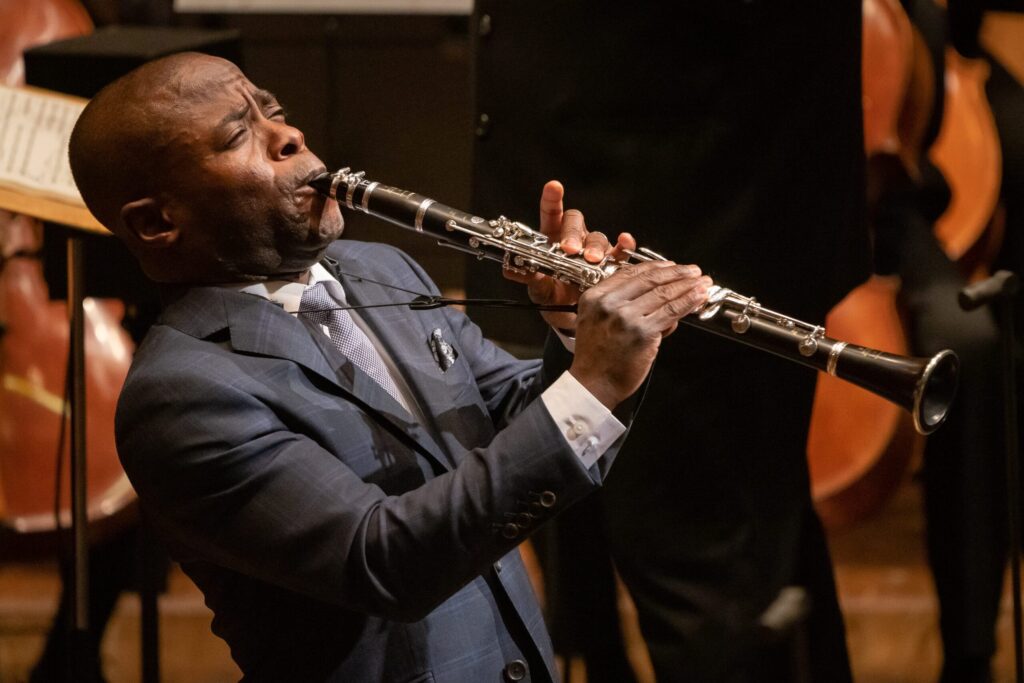
8. Julian Bliss: the prodigy who reinvented himself
The world of music is full of broken toys, child prodigies who dazzled at ten and disappeared at twenty. Julian Bliss is the glorious exception. He began playing at four and, as a teenager, was already designing improvements for Leblanc clarinets. Today, he is a mature and astonishingly versatile artist.
Bliss, a representative of the modern British school, stands out for brilliant pragmatism. He makes the difficult seem easy. His sound is clear, direct, and highly versatile, allowing him to move between worlds that rarely intersect: the most demanding classical repertoire and wild jazz. With his band, the Julian Bliss Septet, he explores the roots of swing with authenticity few classical musicians achieve, without sounding stiff.
Beyond his solo career, he is a passionate educator, offering masterclasses in the UK and US and developing his own line of affordable student clarinets (Bliss by Conn-Selmer), democratizing access to quality instruments.
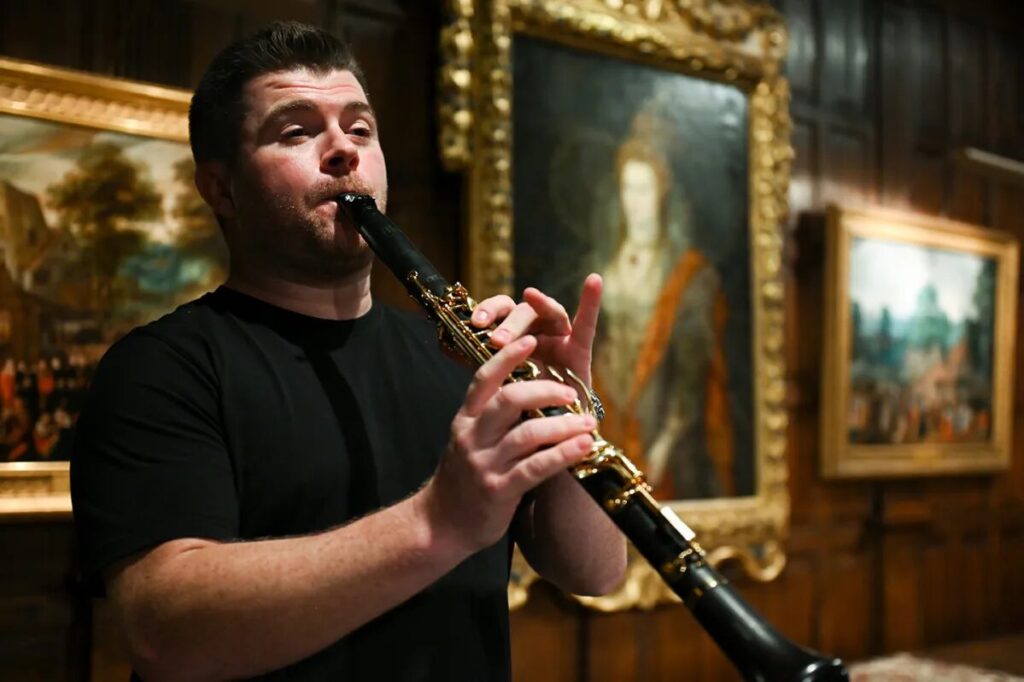
9. Kari Kriikku: the shaman of the avant-garde
If the previous clarinetists are museum guardians, Kari Kriikku is the artist spray-painting neon graffiti on the walls. From Finland, Kriikku is the undisputed champion of contemporary music and new creations.
For Kriikku, the clarinet is not just melodic; it is a generator of textures and sound effects. His mastery of extended techniques is unrivaled: circular breathing, multiphonics, slap-tongue, extreme glissandi, and quarter tones. His stage presence is electric, almost like an eccentric rock star. Leading contemporary composers such as Kaija Saariaho and Magnus Lindberg have written works specifically for his impossible fingers.
He is not a conventional conservatory teacher; his pedagogy is transmitted through premieres and direct collaboration with composers and young performers at new music festivals in Northern Europe.
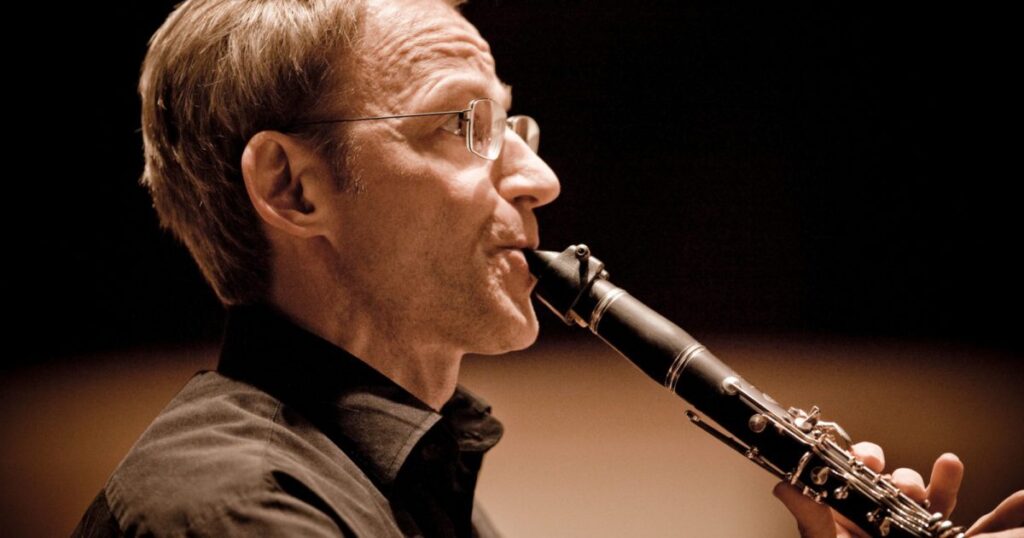
10. Wenzel Fuchs: the rock of tradition
We close our journey back at the heart of the orchestra. Wenzel Fuchs, Ottensamer’s desk mate in the Berlin Philharmonic, represents the Austro-German tradition in its purest, most distilled form.
Fuchs is not a showman. You won’t see Fröst’s dances or Baldeyrou’s viral videos. What you will see (and hear) is orchestral perfection. His sound is the absolute reference for what a classical clarinet should be: pure wood, a dense core, and unshakable intonation. He is the master of legato, the ability to connect notes seamlessly, creating endless melodic lines. His sound has defined the Berlin Philharmonic’s recordings for decades.
As a professor at the Karajan Academy of the Berlin Philharmonic, Fuchs arguably holds the most important teaching position in the world: preparing young talents for the top orchestral chairs. He is also a guest professor at prestigious institutions worldwide.
Explore more content!
- Top 5 gadgets for Sax PlayElectronic VS Classic Saxophone
- Top 5 Easy Alto Saxophone Songs for Beginners!
- Electronic Saxophones, the ultimate guide!
- Top 5 Youtube channels for Saxophonists!
- How to play the saxophone without disturbing your neighbors?
- Travel Instruments, every musician must know
Happy reading!
Odisei Music Team